 GajimaruClassics.
 The Posthumous Memoirs of Brás Cubas
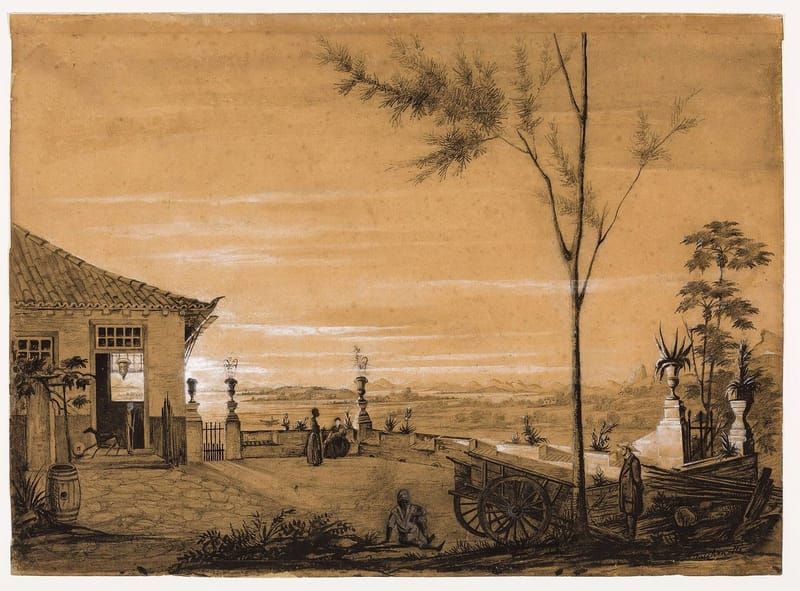
On the coverSede de fazenda nos arredores do Rio de Janeiro, Nicolau Facchinetti, c. 1850–1900
The Posthumous Memoirs of Brás Cubas
A dead man cheerfully narrates his own aimless, privileged life from beyond the grave, in a novel of dizzying digressions, irony, and dark wit. Machado de Assis’s revolutionary comedy, a century ahead of its time.
No companion available yet.
A gleefully experimental, wickedly funny memoir narrated by a corpse, playful and profound in equal measure. One of the most original novels ever written, and a joy to read.
Setting19th-century Rio de Janeiro
Genteel imperial Rio de Janeiro, a slave-holding society of leisure and status seen with unsparing, self-mocking irony by one of its idle sons.