 GajimaruClassics.
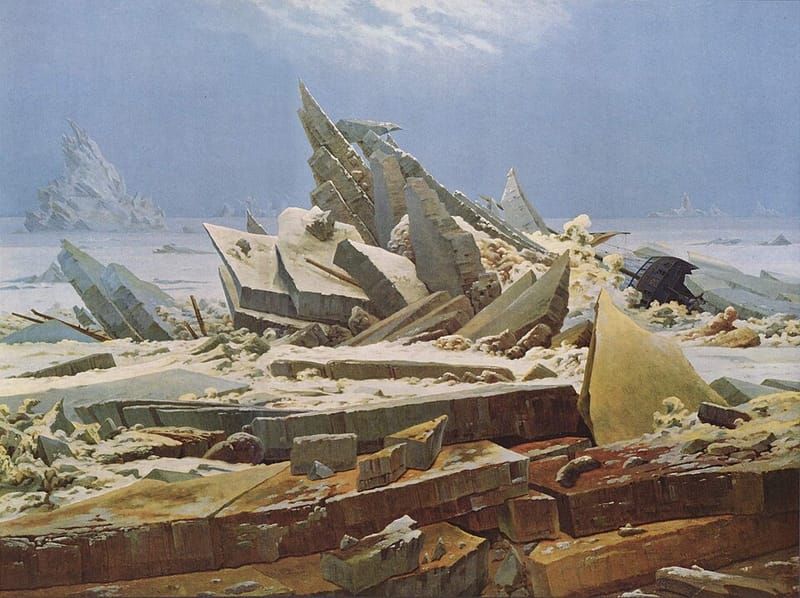 Frankenstein
On the coverThe Sea of Ice, Caspar David Friedrich, 1823–24
Frankenstein
A brilliant young scientist discovers how to create life, then abandons what he makes. Told through nested letters and confessions, it is the original story of creation, responsibility, and the loneliness of being unloved.
Character notes and context for the chapter you’ve read.
Where to start with classics →
The book that invented science fiction, and still its most human entry, far less about a monster than about the man who made one and looked away. Read it for the ache underneath the horror.
An age intoxicated by science: galvanism made dead frogs’ legs twitch, and electricity seemed about to unlock the secret of life itself. Romantic Europe prized the lone genius, and feared what genius unchecked might do.
On screen & beyond
- James Whale’s Universal classic with Boris Karloff (1931)
- Kenneth Branagh’s film (1994)
- Guillermo del Toro’s film (2025)