Gefjon · the woman who ploughed an island
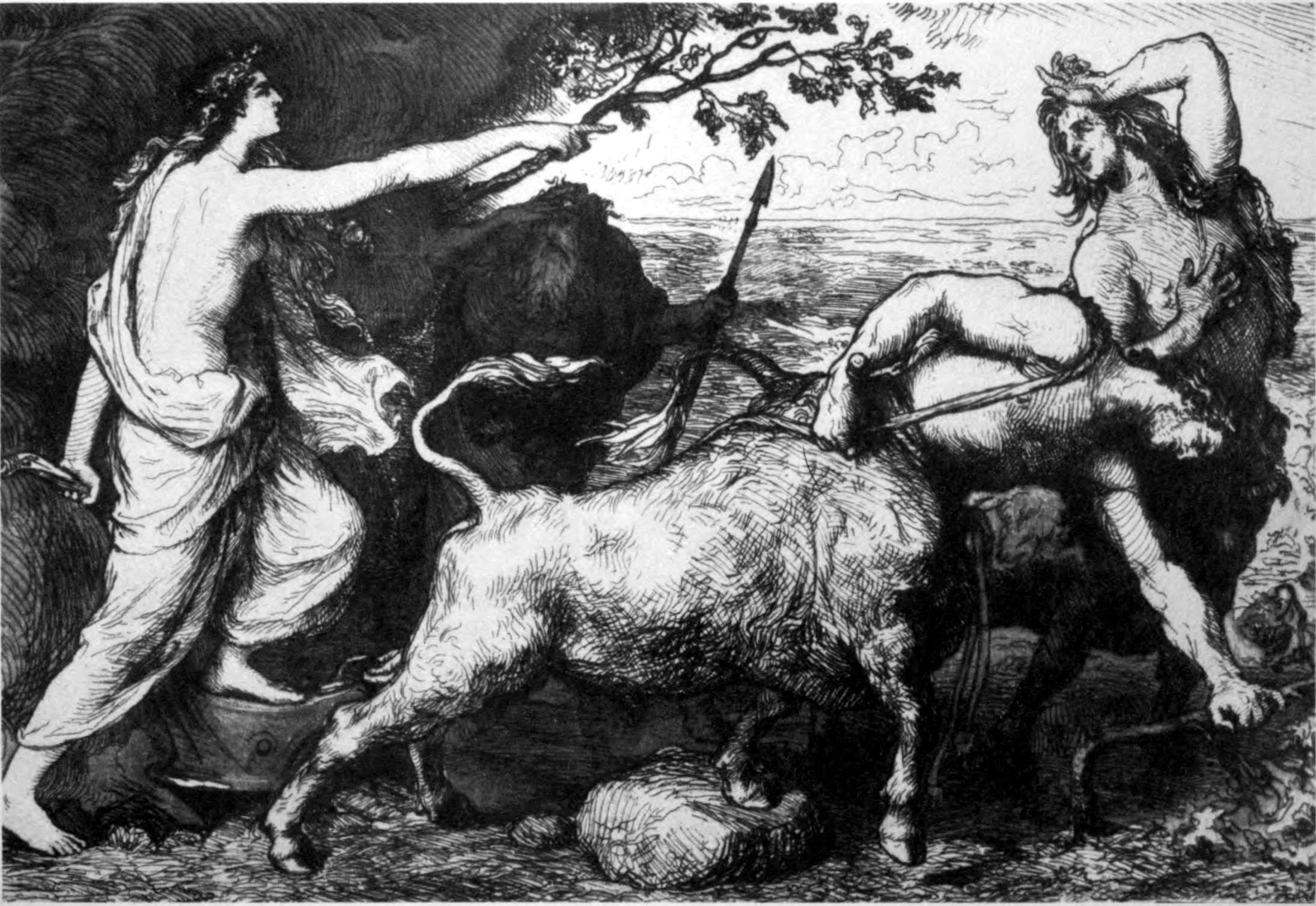
A king offers Gefjon as much land as four oxen can plough in a day and a night. Her oxen are her own sons, and the furrow they cut is deep enough to carry the land away.
Context
The opening of Gylfaginning makes this the origin of Zealand. A bargain measured in a day’s work becomes a story about the shape of the earth.
Source
Original Gajimaru summary, based on The Prose Edda, Gylfaginning 1. Rasmus B. Anderson.
Read the primary text ↗Artwork & credits
Gefion and King Gylphi (published 1906)
Lorenz Frølich · Wikimedia Commons
The artist pictures Gefjon with Gylfi and her oxen. The prose follows Snorri’s account of her ploughing.
Public domain. Unmodified downloaded image, scaled to fit. The full downloaded composition is retained.
Historical artwork. See artwork credits above.
The Night Parade
25 beings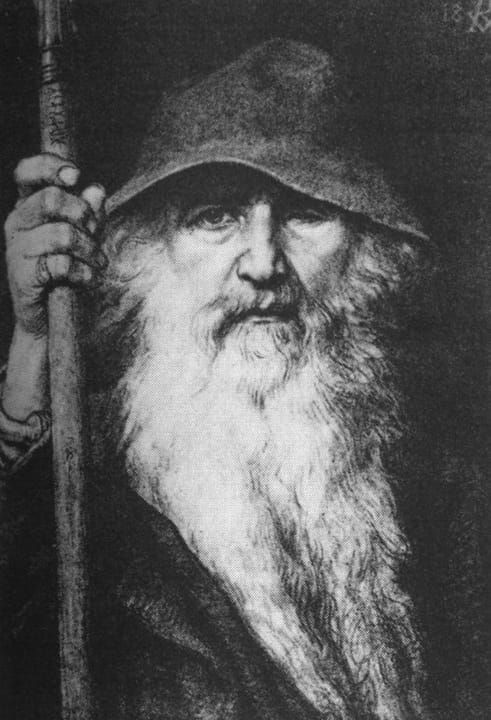 OdinÓðinn · the Allfather
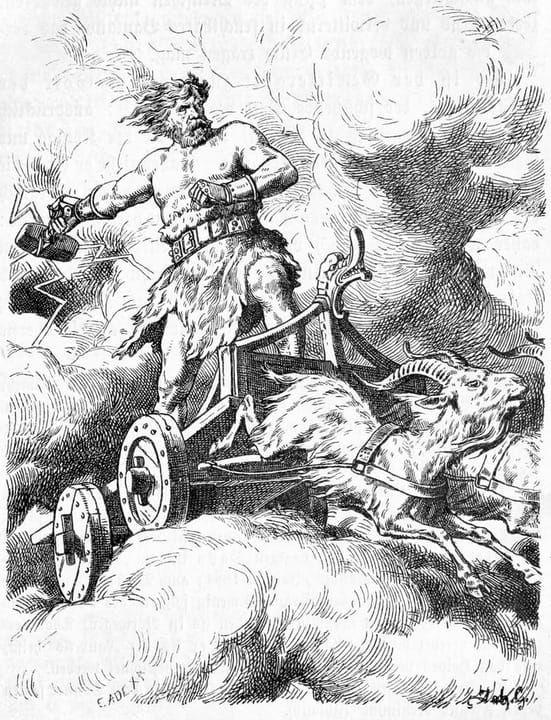 ThorÞórr · the thunderer
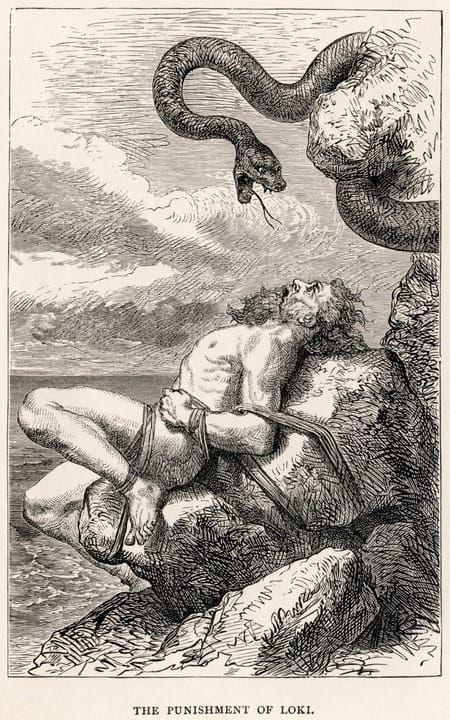 LokiLoki · the trickster
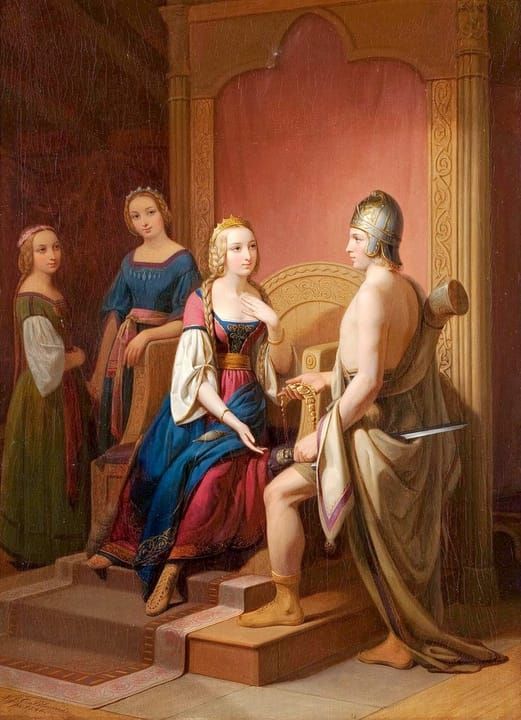 FreyjaFreyja · lady of love and war
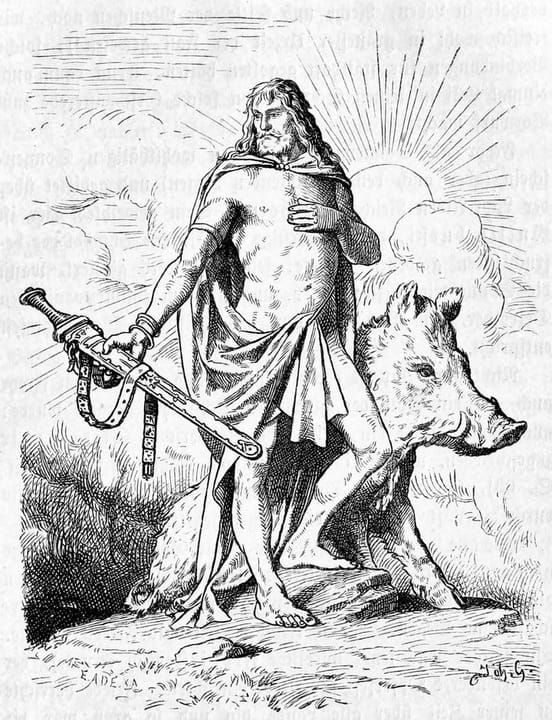 FreyrFreyr · lord of the harvest
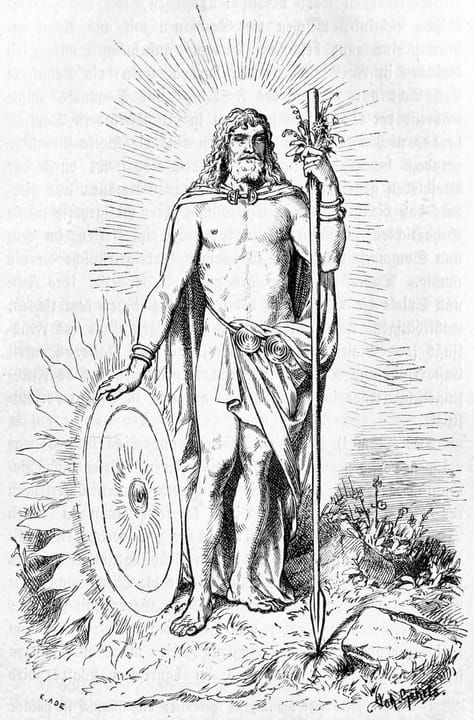 BaldrBaldr · the shining one
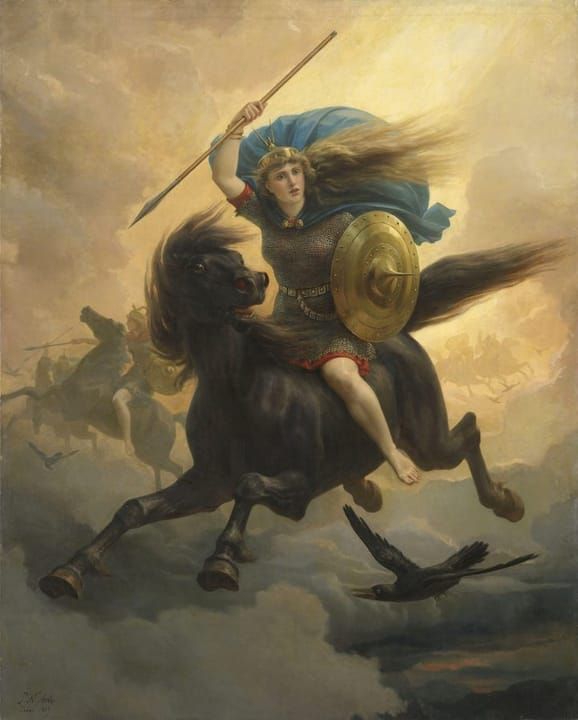 The ValkyriesValkyrjur · choosers of the slain
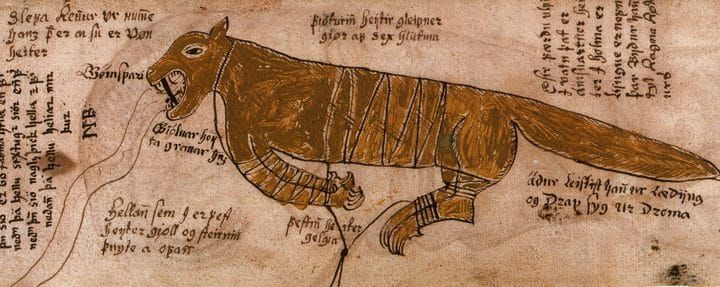 FenrirFenrir · the bound wolf
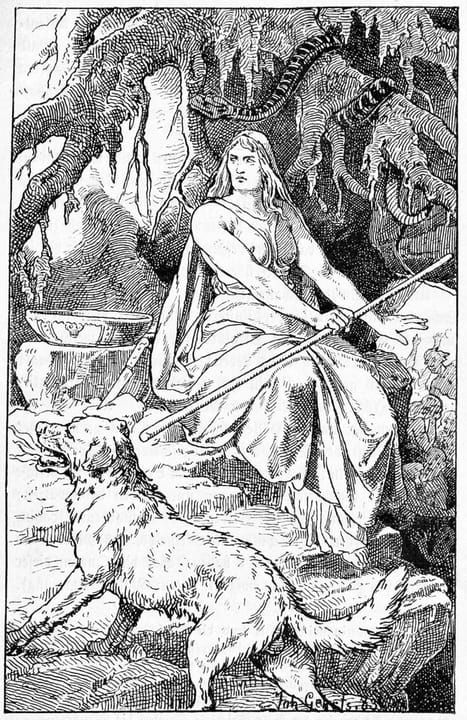 HelHel · queen of the dead
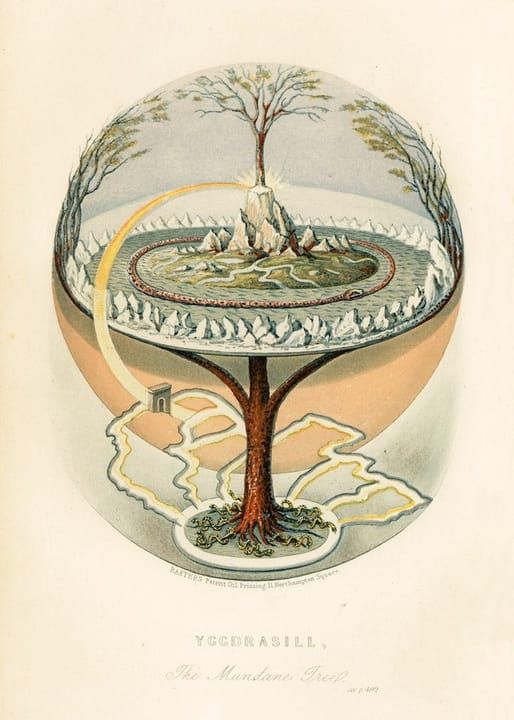 YggdrasilYggdrasill · the world-tree
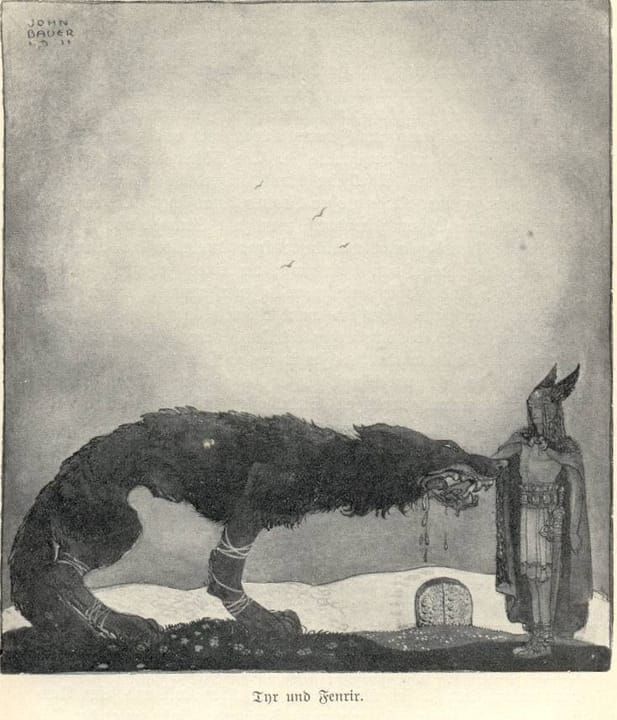 TýrTýr · the one-handed
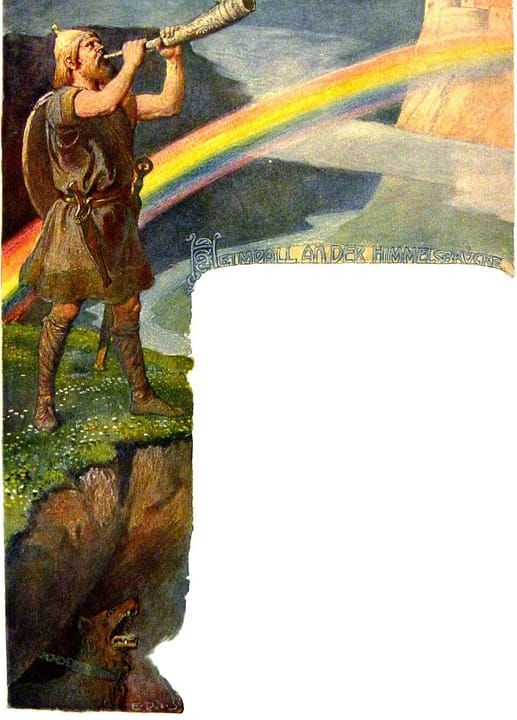 HeimdallHeimdallr · the watchman of the gods
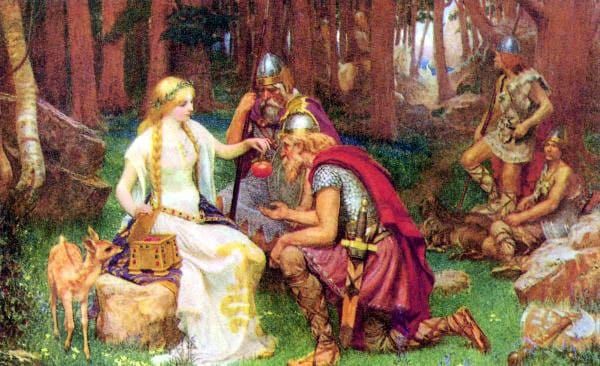 IðunnIðunn · keeper of the apples
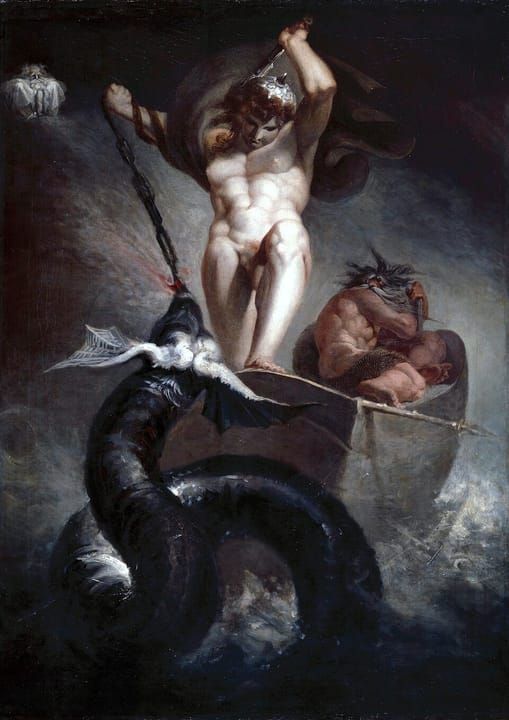 JörmungandrJörmungandr · the world-serpent
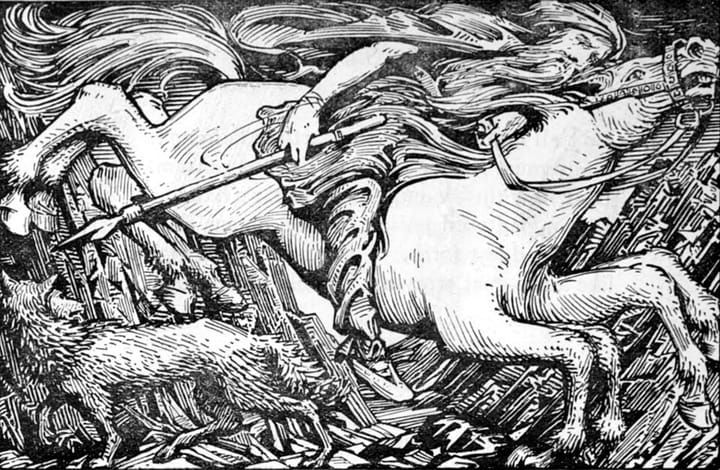 SleipnirSleipnir · the eight-legged steed
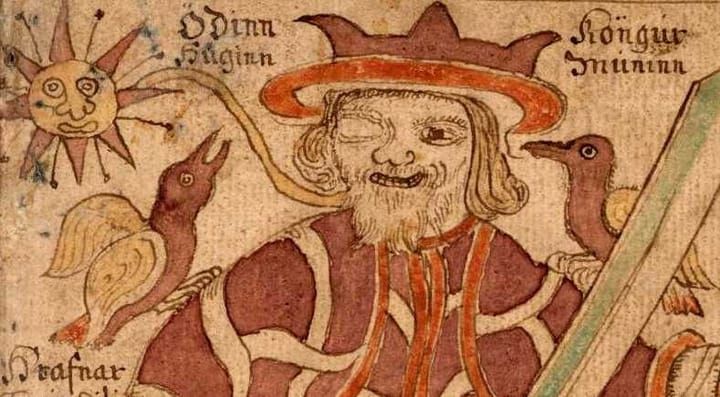 Huginn & MuninnHuginn ok Muninn · thought and memory
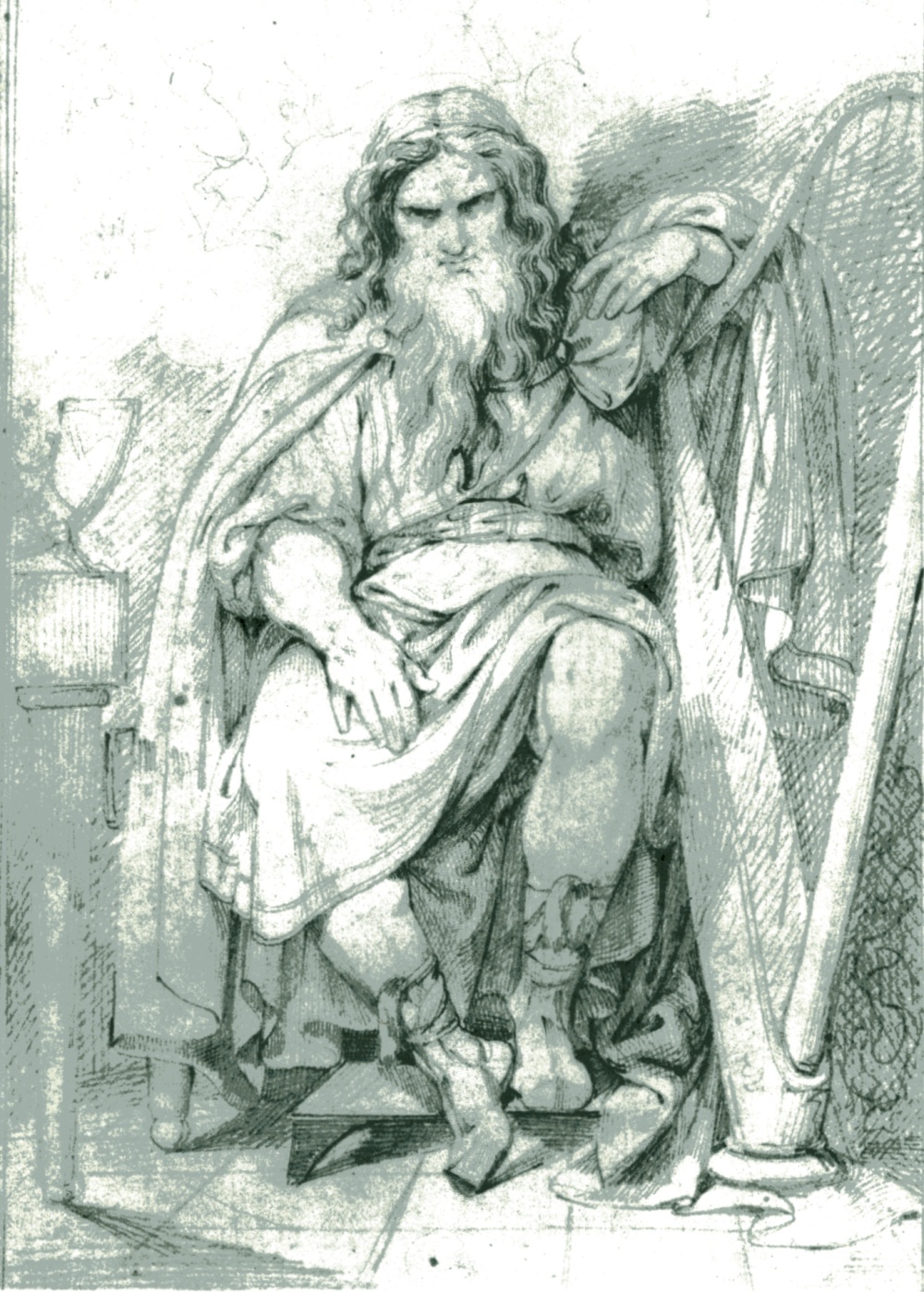 Bragi · the keeper of flowing words
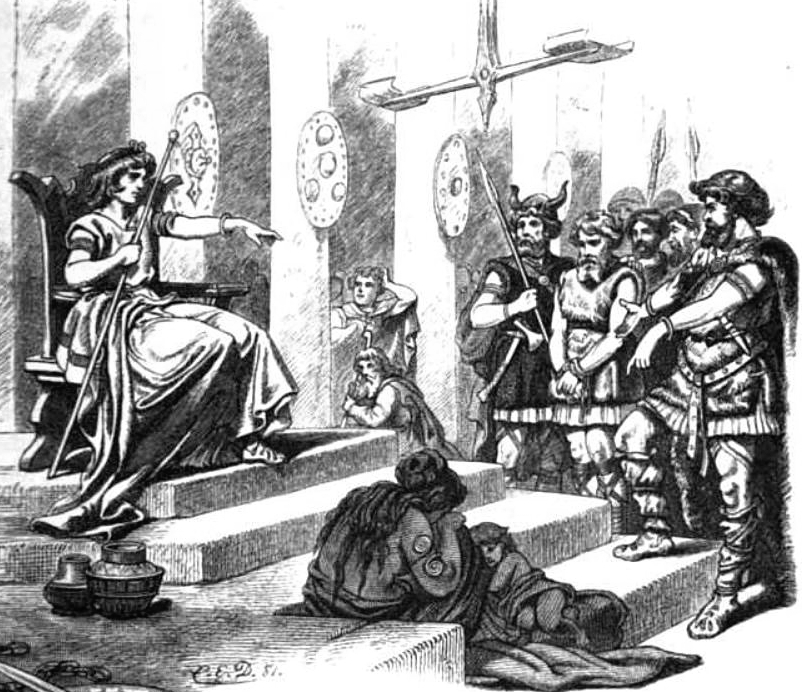 Forseti · the hall where quarrels end
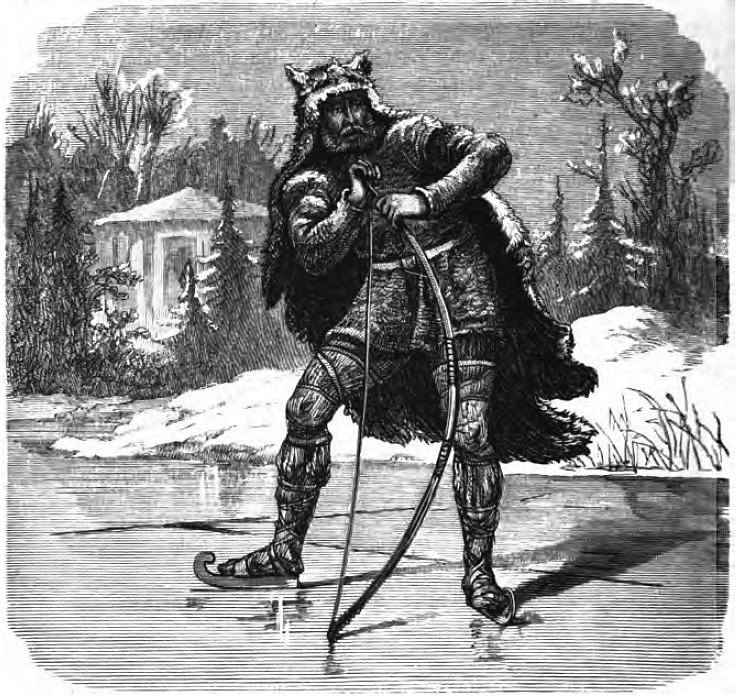 Ullr · the archer on skisGefjon · the woman who ploughed an island
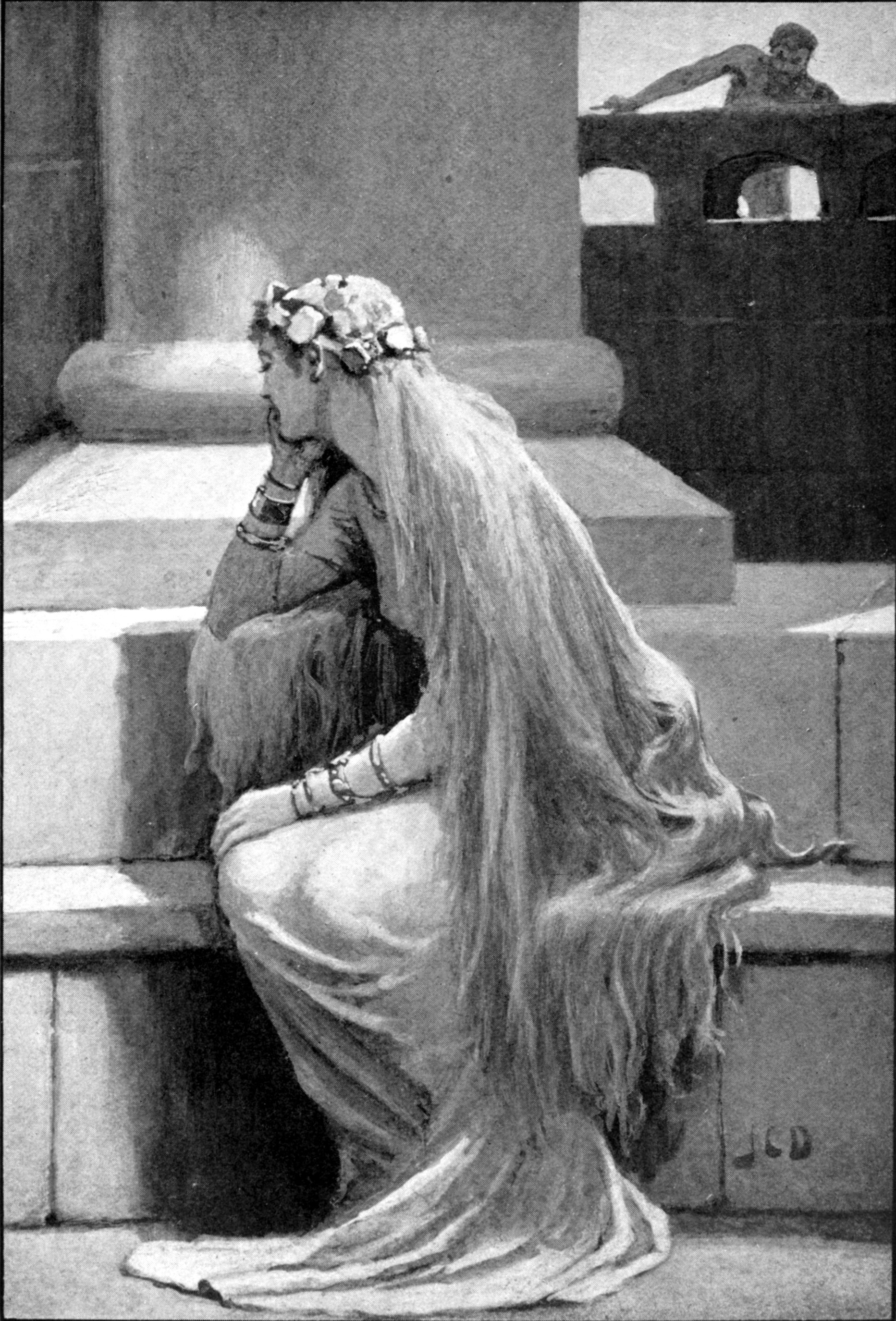 Sif · the hair of living gold